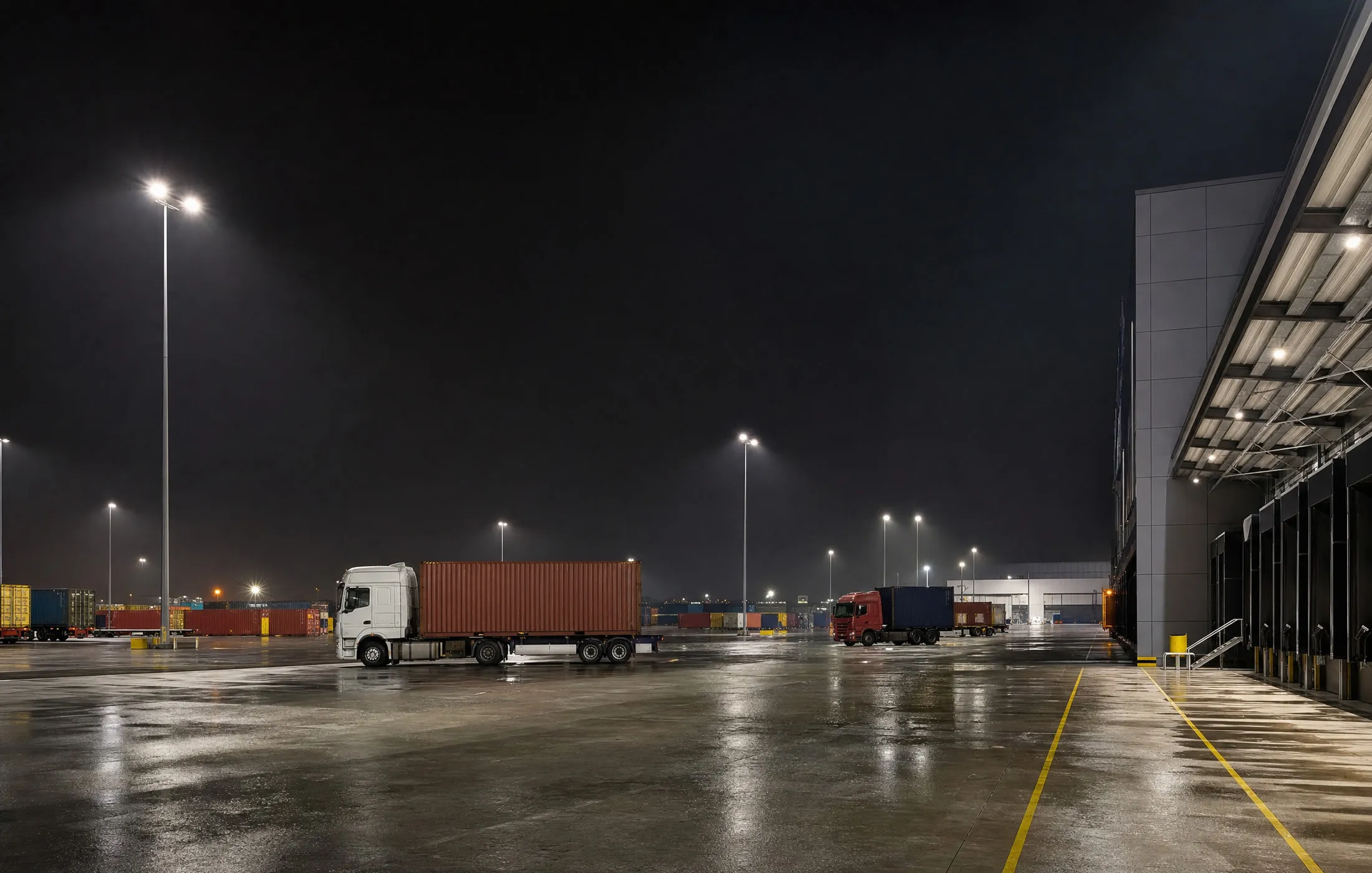
Two floodlights with the same wattage can perform very differently because the optical distribution determines where the lumens go. Beam selection should follow the geometry of the target area.
Narrow beams
Narrow optics concentrate intensity for long throws, high poles or small distant targets. They require accurate aiming and can create bright hotspots if used too close to the target.
Wide beams
Wide distributions cover nearby open areas with fewer aiming constraints. They are useful for façades, small yards and low mounting heights, but can waste light when the target is long and narrow.
Asymmetric beams
Asymmetric optics push the peak intensity forward. They allow perimeter mounting while reducing wasted backlight and can improve uniformity in yards, roads and courts.
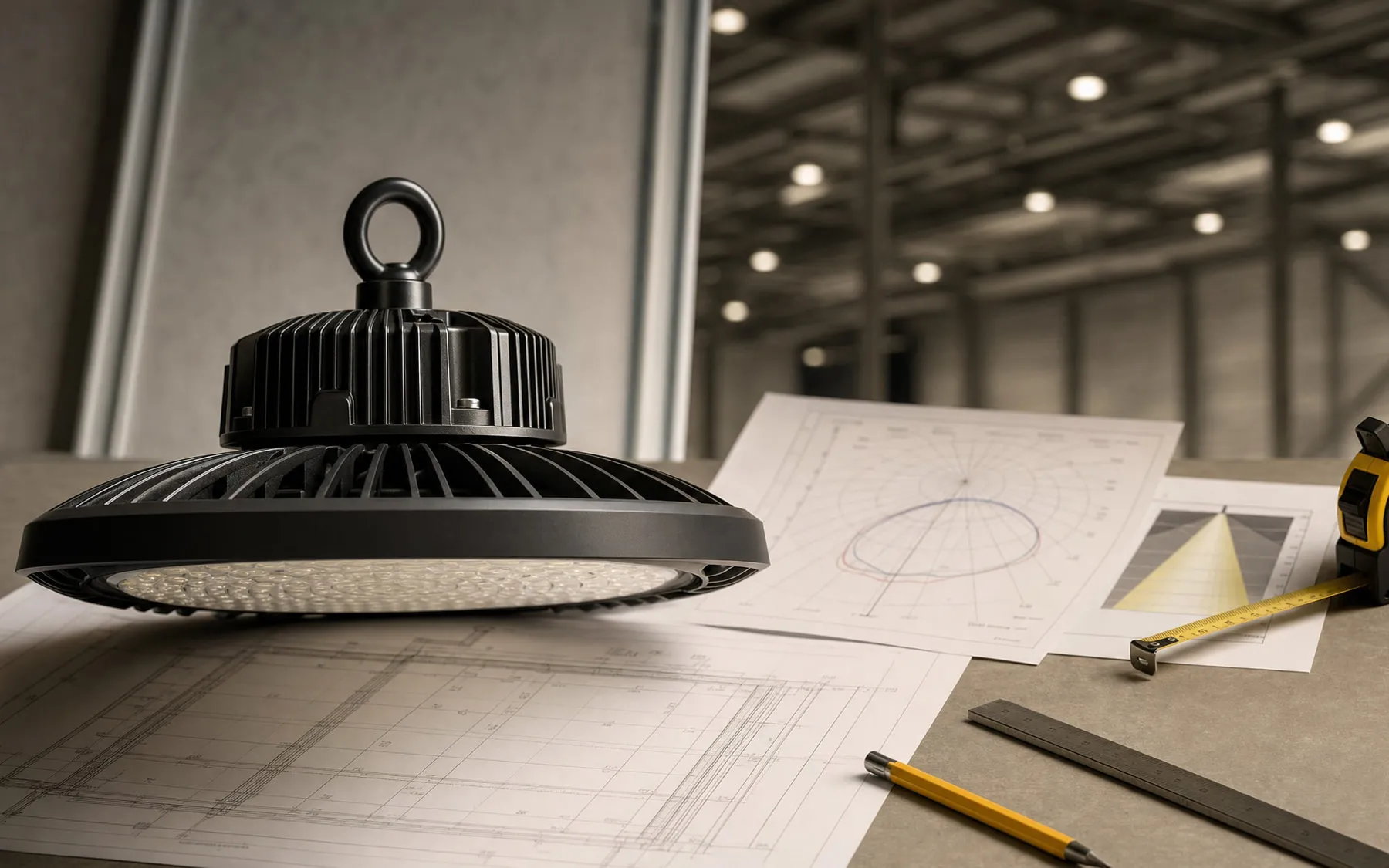
Compare photometric files
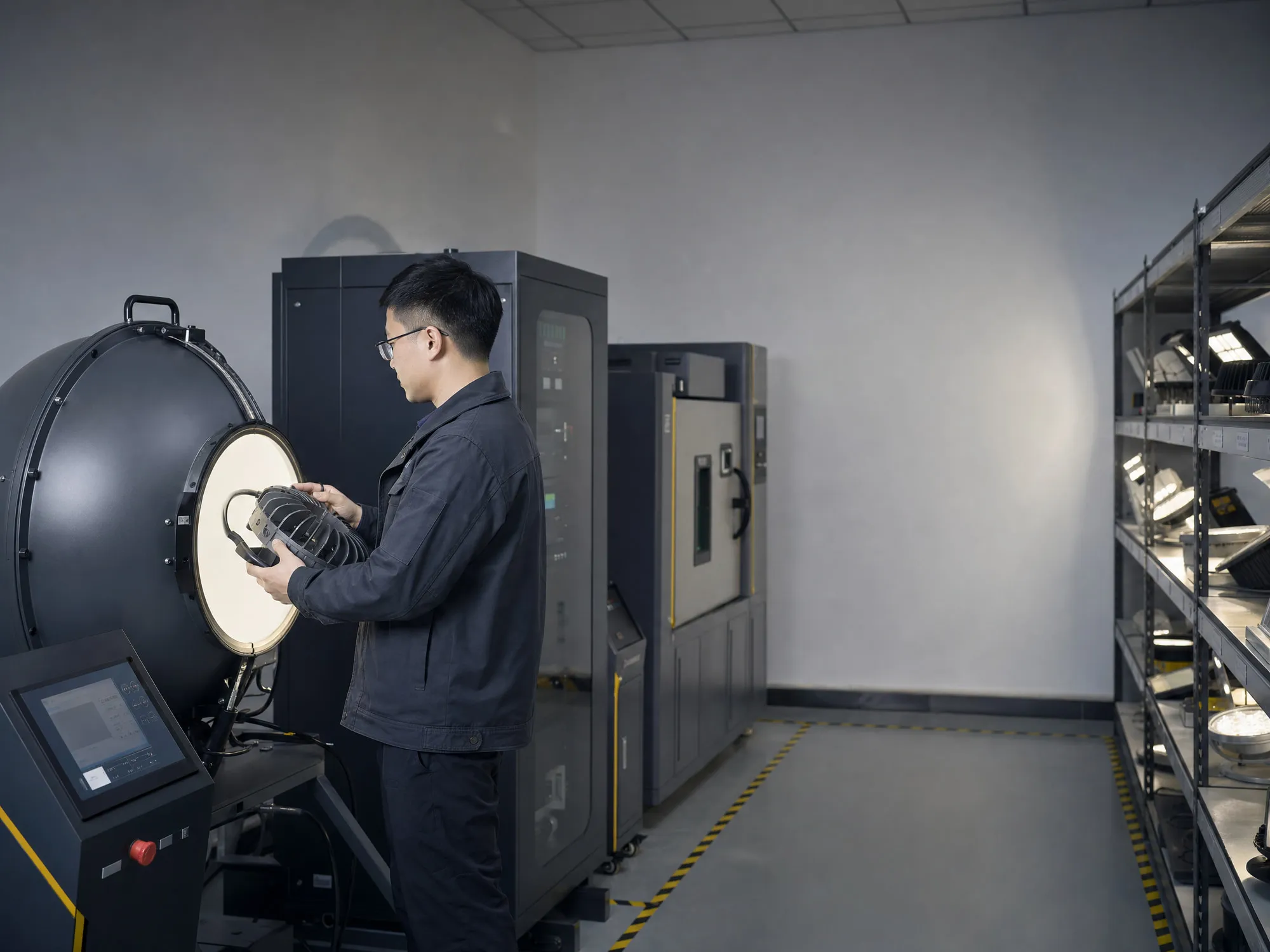
Always evaluate IES or LDT data in a project model. A printed beam angle describes only part of the distribution and does not reveal field shape, spill or intensity transitions.